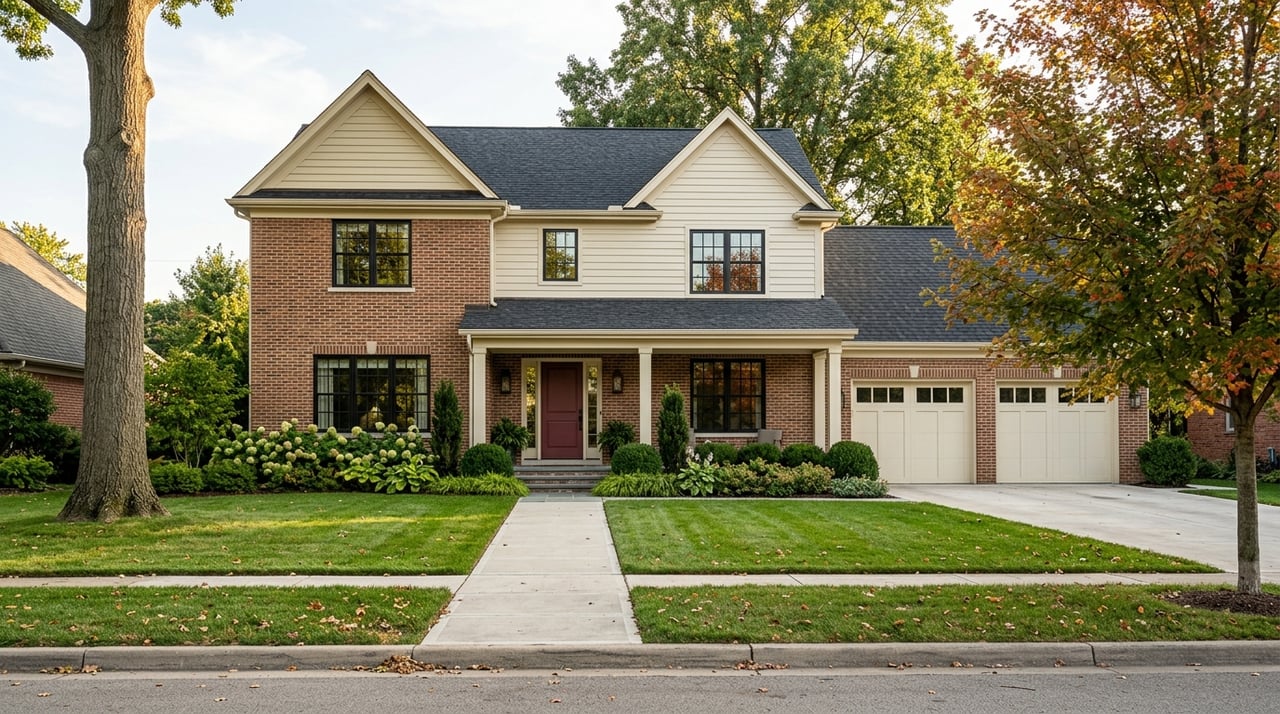
What It's Like To Live In Hudson, Ohio
June 18, 2026
June 18, 2026
Wondering whether Hudson, Ohio lives up to its reputation? If you are looking for a place with a true downtown, strong everyday convenience, and plenty of room to enjoy the outdoors, Hudson stands out in Northeast Ohio. This guide will walk you through what daily life feels like here, from housing and parks to commuting and local character, so you can decide whether Hudson fits your next move. Let’s dive in.
Hudson feels established, polished, and rooted. With about 23,000 residents, a median age of 42.8, and an owner-occupied housing rate of 88.4%, it reads more like a settled community than a fast-turnover suburb.
The city also has the feel of a small town with a strong local identity. City materials describe Hudson as offering small-town living between Cleveland and Akron, with historic neighborhoods, tree-lined residential streets, and more than 75 community events each year.
For many buyers, that combination is the draw. You get a community that feels active and connected, while still offering the convenience of being near two major employment and lifestyle hubs.
Downtown Hudson is not just a shopping district. It is the social and civic heart of the city. The city’s comprehensive plan specifically identifies downtown as the social hub and heart of the community.
If you like a place where you can run errands, meet friends, and enjoy local events in one area, downtown adds a lot to everyday life. The city says Hudson has more than 100 independently owned, regional, and national chain shops and restaurants, giving you a mix of local character and practical convenience.
Hudson also uses a Designated Outdoor Refreshment Area, or DORA, to support a more walkable and social downtown experience. The district includes Main Street, First & Main, and the Gazebo and Clocktower greens, which helps create a stroll-friendly setting for dining and community interaction.
One of Hudson’s defining features is its historic character. If you are drawn to older homes and a preserved town center, that is a real advantage.
At the same time, historic preservation comes with rules. In the historic district, exterior changes to historic structures typically require city approval, and some residential projects may need review by the Architectural and Historic Board of Review.
That does not make Hudson harder to live in, but it does mean buyers should understand the difference between owning a historic property and owning a home in a newer subdivision. If charm and preservation matter to you, Hudson offers both in a meaningful way.
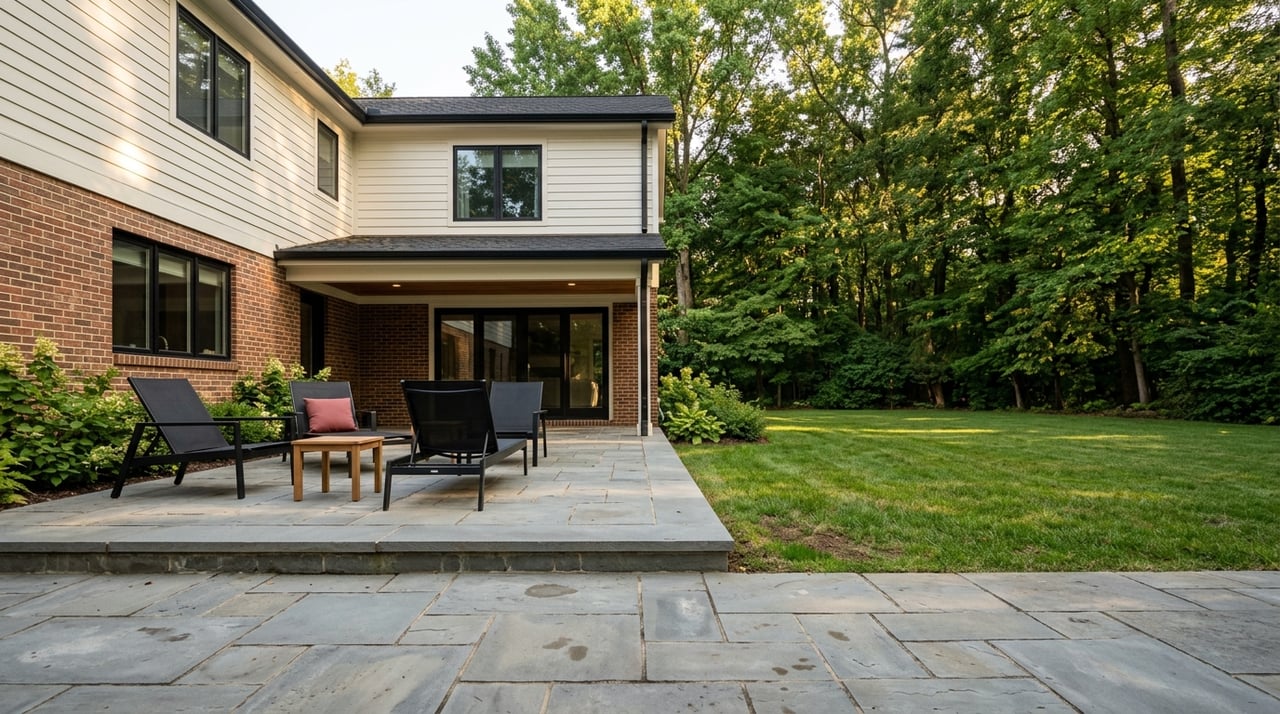
Hudson shines when it comes to outdoor access. The city lists 20 parks and 1,128 acres of recreation space, which gives residents plenty of ways to spend time outside close to home.
The trail network is a major part of that lifestyle. According to the city’s Walk & Bike planning materials, Hudson has an extensive system of sidewalks, bike lanes, and trails that connect neighborhoods and parkland, making outdoor activity feel built into daily life rather than something you have to plan far in advance.
A few parks stand out for different reasons:
If you want a community where green space is part of the weekly routine, Hudson delivers. The city’s recertification as a Bicycle Friendly Community in 2026 also reinforces that outdoor mobility is a real priority here.
Hudson offers more than visual appeal. It also works well for day-to-day living. With more than 900 businesses citywide, residents have access to a wide range of services, shops, and dining options without needing to leave town for every errand.
That convenience matters if you want a community that feels self-contained. Whether your ideal weekend includes coffee downtown, a park visit, or checking off household errands, Hudson gives you a lot of those options locally.
The result is a lifestyle that feels balanced. You get a quieter residential setting, but not one that feels isolated or overly dependent on neighboring cities for basics.
Hudson’s housing stock has more variety than many buyers expect. This is not a market with one dominant look or one narrow construction period.
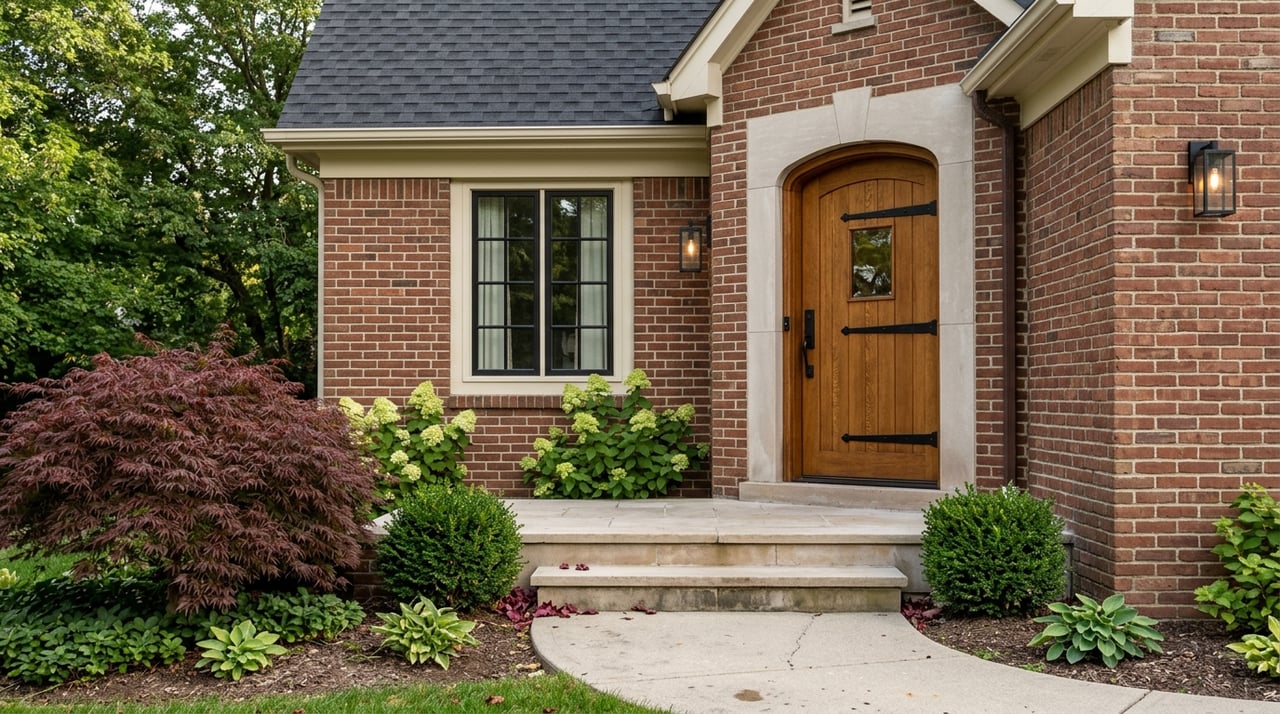
You can find homes dating back to the 1850s through recent years. Styles referenced in local materials include Federal, Greek Revival, Gothic Revival, Colonial Revival, Craftsman, Queen Anne, and Italianate, along with newer homes in more modern suburban formats.
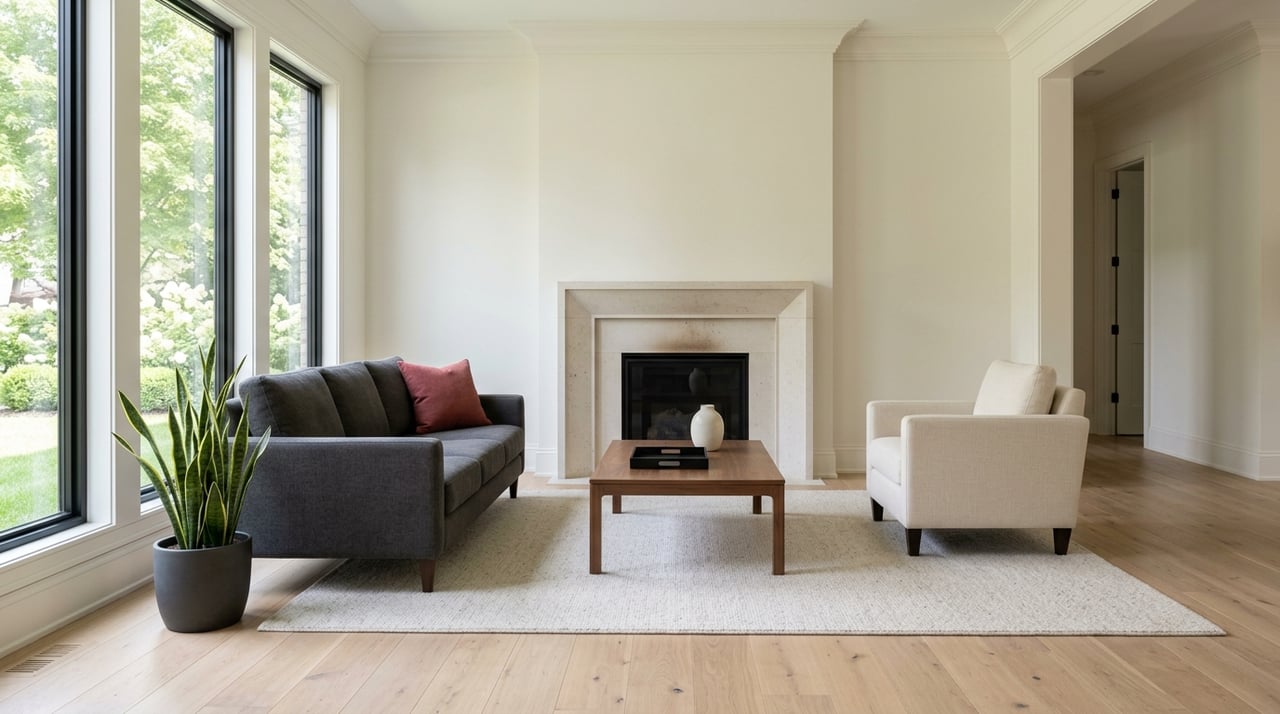
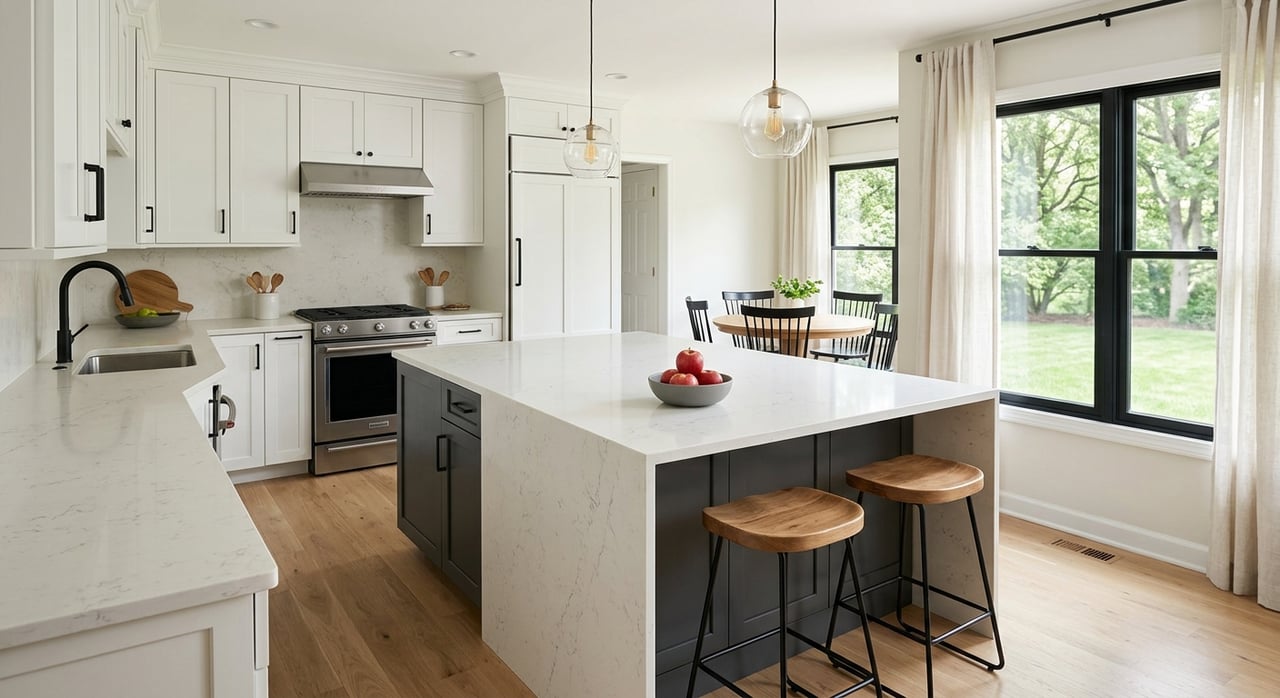
That range gives buyers options depending on their priorities. If you love architectural character, Hudson has it. If you prefer newer construction or a more updated layout, the market includes that too.
Hudson is considered a premium-priced market in Northeast Ohio. Census QuickFacts puts the median value of owner-occupied housing units at $466,500, while a May 2026 Redfin market snapshot shows a median sale price of $609,635.
Homes have also been moving fairly quickly. That same Redfin snapshot shows homes selling in about 17 days, which suggests buyers should be prepared for a market that can move fast when well-positioned homes become available.
For some buyers, Hudson will feel like a stretch compared with lower-priced communities nearby. For others, the combination of housing variety, downtown character, and lifestyle amenities may justify the price point.
Hudson is well positioned for people who commute by car. Census Reporter shows a mean travel time to work of 26.7 minutes, with 67% of workers driving alone and 29% working from home.
Public transit and biking play a much smaller role in commuting here. If you are hoping for a transit-oriented setup, Hudson may not be the strongest fit.
Location is one of Hudson’s practical advantages. City transportation materials note access to I-480 and I-271 just outside city limits, along with nearby access to the Ohio Turnpike, which helps connect residents to both Cleveland and Akron.
Hudson tends to appeal to buyers who want a community with a real sense of place. If you value a walkable downtown core, established neighborhoods, strong outdoor access, and a location between Akron and Cleveland, Hudson checks a lot of boxes.
It may be especially appealing if you want a home with character or if you are looking for an upscale suburban setting that still feels connected and active. The city’s mix of historic preservation, local business activity, and extensive park access gives it a personality that is hard to replicate.
On the other hand, Hudson may be a weaker fit if your top priority is a lower entry price point or a transit-focused lifestyle. Like any move, the right choice depends on how you want your daily life to feel.
Living in Hudson offers a blend of history, convenience, outdoor recreation, and strong residential appeal. It feels established without feeling stagnant, and active without losing its small-town identity.
If you are considering a move here, the key is understanding which part of Hudson best fits your goals, budget, and lifestyle. Whether you are looking for a historic home near downtown, a move-up property with more space, or a home that gives you easy access to parks and trails, local guidance can make a big difference.
If you are thinking about buying or selling in Hudson or anywhere nearby in Summit County, Amanda Carter can help you make a smart move with clear advice, local insight, and strong representation.
Stay up to date on the latest real estate trends.
We believe success happens together. Our team combines collaboration, leadership, and local expertise to create an environment where agents can thrive personally and professionally.
AMANDA CARTER HOMES TEAM
THE AGENCY CLEVELAND
[email protected]
(330) 990-8405
138 North Main St Hudson, OH 44236