Hudson, Ohio Home Styles And Neighborhood Options Explained
June 25, 2026
June 25, 2026
Wondering what kind of home life Hudson really offers? If you are trying to choose between charm, convenience, privacy, or lower-maintenance living, Hudson can feel more layered than it looks at first glance. The good news is that once you understand the city’s main housing patterns, it gets much easier to narrow your search and set realistic expectations for budget, upkeep, and lifestyle. Let’s dive in.
Hudson is not a one-note housing market. It is a small, established city of about 23,085 people, and its housing stock reflects that long history and varied layout. You will find everything from historic homes near downtown to conventional suburban streets, plus areas with a more rural feel and selected spots that may appeal to downsizers.
It is also a largely owner-occupied market. About 88.4% of homes are owner-occupied, and single-unit homes make up roughly 91% of Hudson’s housing structures. That helps explain why detached homes are such a defining part of the local market.
Hudson is also a premium market within Summit County. The median owner-occupied home value is $466,500, compared with $208,700 in Summit County and $214,800 statewide. If you are considering Hudson, it helps to think less in terms of finding a bargain and more in terms of deciding which features matter most to you.
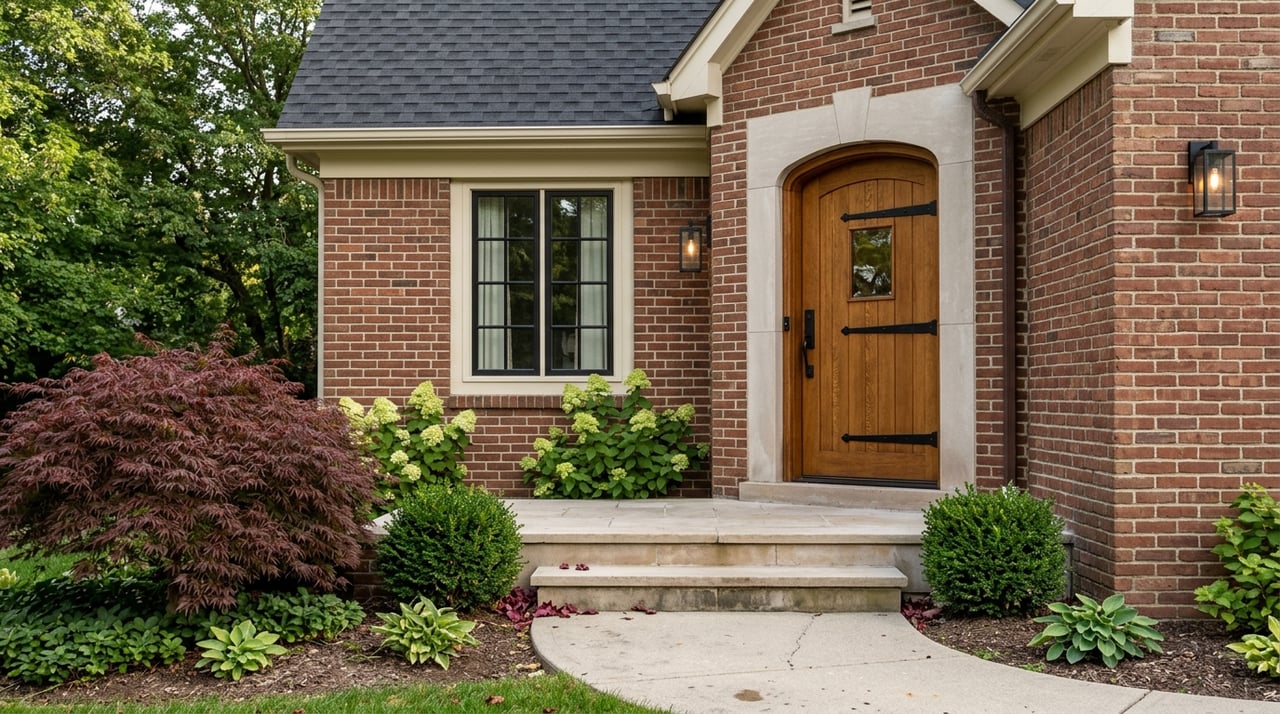
If you love architecture and a strong sense of place, Hudson’s historic core may be the first area that catches your eye. The city highlights its preserved historic homes and historic downtown district, and the area includes styles such as Federal, Federal and Greek Revival transitional, Colonial Revival, Queen Anne, Italianate, and Gothic Revival.
For many buyers, this part of Hudson offers the most character. You may be drawn to older details, established streetscapes, and the ability to be closer to the village core. That combination can be especially appealing if you want a home that feels distinctive rather than interchangeable.
That said, character often comes with trade-offs. Exterior changes to historic structures require city approval, and projects must meet local design standards. In practical terms, that means buyers should be ready for more oversight on visible improvements and, in many cases, a more involved maintenance experience.
Historic homes tend to make sense for buyers who value:
If your priority is ease, flexibility, or a more predictable upkeep routine, another part of Hudson may fit better.
A large share of Hudson’s housing search will likely point you toward suburban residential and outer village areas. Hudson’s comprehensive plan groups residential zoning into categories that include suburban residential and outer village residential, while the village core remains centered around downtown.
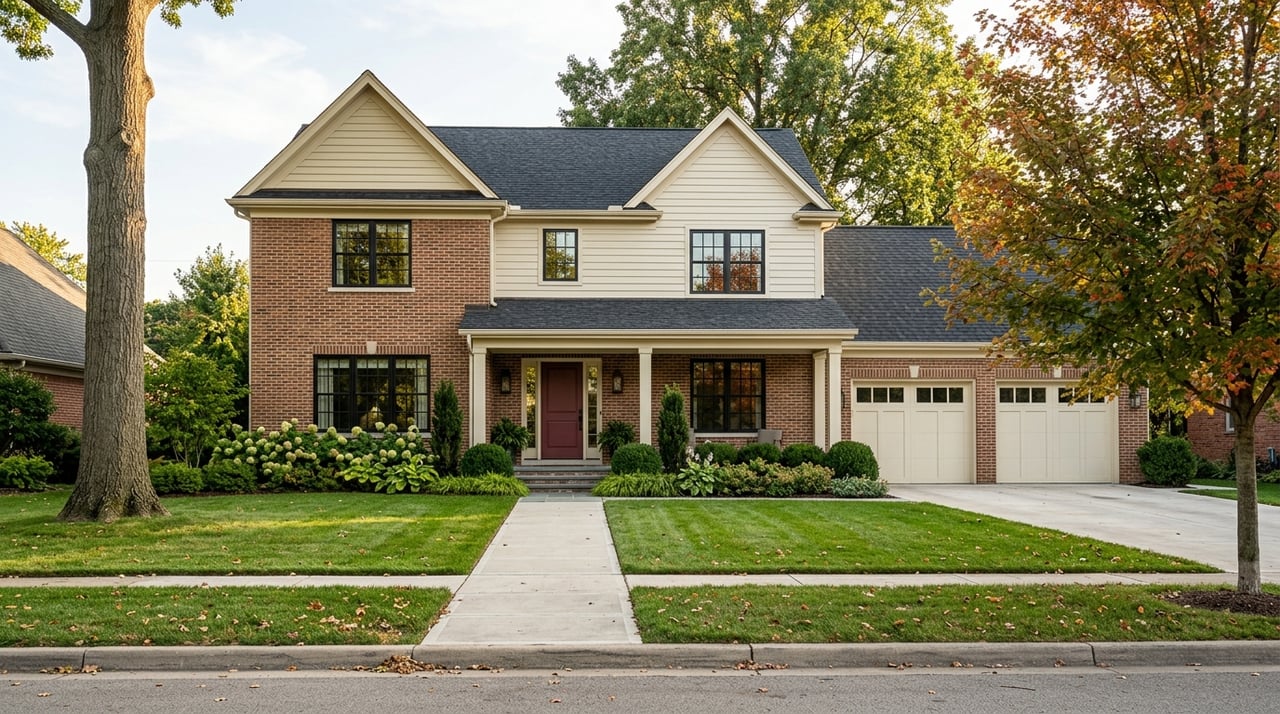
For buyers, these areas are often the most straightforward to understand. This is where you are more likely to encounter conventional single-family homes, subdivision-style layouts, and the kind of detached housing many buyers expect in Northeast Ohio. Because so much of Hudson’s housing stock is single-unit, these homes represent a major part of the market.
These neighborhoods can feel like a practical middle ground. You may get more standard lot patterns, fewer preservation-related restrictions than in the historic district, and a more predictable day-to-day ownership experience. That can be helpful if you are a first-time buyer, moving up, or simply want a home style that feels familiar.
Suburban and outer village areas can be a good fit if you want:
This housing segment often works well for buyers focused on function, space planning, and easier upkeep compared with older historic homes.
Not every Hudson home search is about being close to downtown. Some buyers want more land, more privacy, and a setting that feels less compact. Hudson’s zoning framework includes Rural Residential Conservation areas, which suggests that some edge areas of the city offer exactly that kind of experience.
These homes may appeal to you if lot size is a top priority. Whether you want extra outdoor space, room for hobbies, or simply more distance from neighboring houses, this segment can offer a different side of Hudson than the village-centered image many people first picture.
There are trade-offs here too. More land often means more yard work, more exterior upkeep, and a routine that leans more heavily on driving. If you love privacy and breathing room, that may feel like a worthwhile exchange.
You may want to focus on rural-feeling areas if you value:
This option can be especially useful for buyers who care more about land and quiet than being close to the downtown core.
Hudson residents have made it clear that housing variety matters. In the city’s 2023 community survey, residents identified housing affordability and variety of housing options as major challenges. The survey also showed support for housing options that serve different life stages, including senior housing and first-floor living.
That matters if you are thinking ahead about ease and convenience. The city has noted that more than half of households feel there is not nearly enough first-floor living available in Hudson, which helps explain why downsizer-friendly options can attract strong interest.
One area to watch is the downtown edge. Clinton Crossing, northwest of downtown, is being planned with medium-density residential and empty-nester style homes in mind. District 8 also includes a Hike Bike Senior Housing Overlay Zone, which makes selected overlay and downtown-adjacent locations especially relevant for buyers looking for lower-maintenance living.
If you are simplifying your next move, you may want to prioritize:
In Hudson, this type of inventory may not be as common as detached single-family housing, so a focused search can make a big difference.
Hudson’s pricing tells an important story. The city’s median owner-occupied home value is $466,500, and median monthly owner costs with a mortgage are $2,639. Median gross rent is $2,344, which is also useful if you are comparing renting with buying.
For first-time buyers, that usually means making careful choices about size, age, finish level, or location. If Hudson is your goal, you may need to decide whether architectural charm, a larger lot, or a lower-maintenance setup matters most. Rarely do buyers get every feature at the lowest possible price point in a market like this.
Move-up buyers may find more flexibility, but they are often paying for larger homes, better lots, newer finishes, or more convenient locations. Downsizers may also find that lower-maintenance living near the core can come at a premium. In Hudson, price is often tied closely to lifestyle.
Housing decisions in Hudson are not just about the house itself. The city sits between Cleveland and Akron and has access to major regional routes including I-80, I-480, I-271, I-71, I-76, I-77, State Route 8, and State Route 303. Census data show a mean commute time of 26.7 minutes, which gives you a useful benchmark if commute planning is part of your decision.
Lifestyle is a major part of Hudson’s appeal. The city has 20 parks totaling 1,128 acres, and Cuyahoga Valley National Park is about a mile west of the city. Hudson’s Sidewalk and Trail Master Plan is designed to connect residential neighborhoods with parks, trails, downtown, neighborhoods, and schools.
That broader setting helps explain why buyers often care so much about location within Hudson. Some want easier access to the village core, while others prioritize green space, trails, or a bit more room. The right fit depends on how you want your home to support your everyday routine.
If you are trying to narrow your options, start by being honest about your trade-offs. Hudson offers variety, but each housing segment asks you to prioritize something a little differently.
A simple way to frame your search is to ask yourself these questions:
Once you answer those questions, Hudson starts to make more sense. The city is less about one uniform home style and more about matching your budget and lifestyle to the right part of the market.
Whether you are buying your first home, moving up, relocating, or looking for a home that better fits your next chapter, local guidance matters in a market with this much nuance. If you want help comparing Hudson home styles, neighborhoods, and pricing strategy, connect with Amanda Carter for clear advice tailored to your move.
Stay up to date on the latest real estate trends.
We believe success happens together. Our team combines collaboration, leadership, and local expertise to create an environment where agents can thrive personally and professionally.
AMANDA CARTER HOMES TEAM
THE AGENCY CLEVELAND
[email protected]
(330) 990-8405
138 North Main St Hudson, OH 44236