Highland Square's Walk Score Is Akron's Highest. Its Price Per Square Foot Isn't.
September 24, 2026
September 24, 2026
Walkability is supposed to cost something. In most markets, the neighborhood where you can leave the car in the driveway and still get to coffee, dinner, and a movie carries a premium over the one where every errand needs a tank of gas. Highland Square breaks that rule, and the break is the most useful thing a buyer or seller comparing Northeast Ohio neighborhoods can know before they start pricing a home or writing an offer.
Walk Score lists Highland Square among Akron's most walkable neighborhoods, alongside Firestone Park and South Akron, with a neighborhood score in the mid-60s against a citywide average of 48. By the usual logic of real estate, that gap should show up as a premium per square foot. It doesn't. As of mid-2026, Highland Square's median sale price per square foot sits at $102, while Akron's citywide figure over the same window is $120. The most walkable part of town is selling for less per foot than the city as a whole. That contradiction is the story, and it comes down to what kind of housing stock is actually sitting inside that walk radius.
| Measure | Highland Square | Akron citywide |
|---|---|---|
| Walk Score | Mid-60s | 48 |
| Median sale price per square foot | $102 (up 5.2% year over year) | $120 (up 2.6% year over year, three months ending May 2026) |
| Median sale price | $180,000 (three months ending June 2026, down 2.8% year over year) | $148,000 (three months ending May 2026, up 8.2% year over year) |
Two things are true at once here. Highland Square's median sale price is higher than the citywide median, but its price per square foot is lower. That only makes sense if Highland Square homes are, on average, bigger and older for the money than what's selling elsewhere in Akron, and if a meaningful share of that square footage hasn't been touched since the Truman administration.
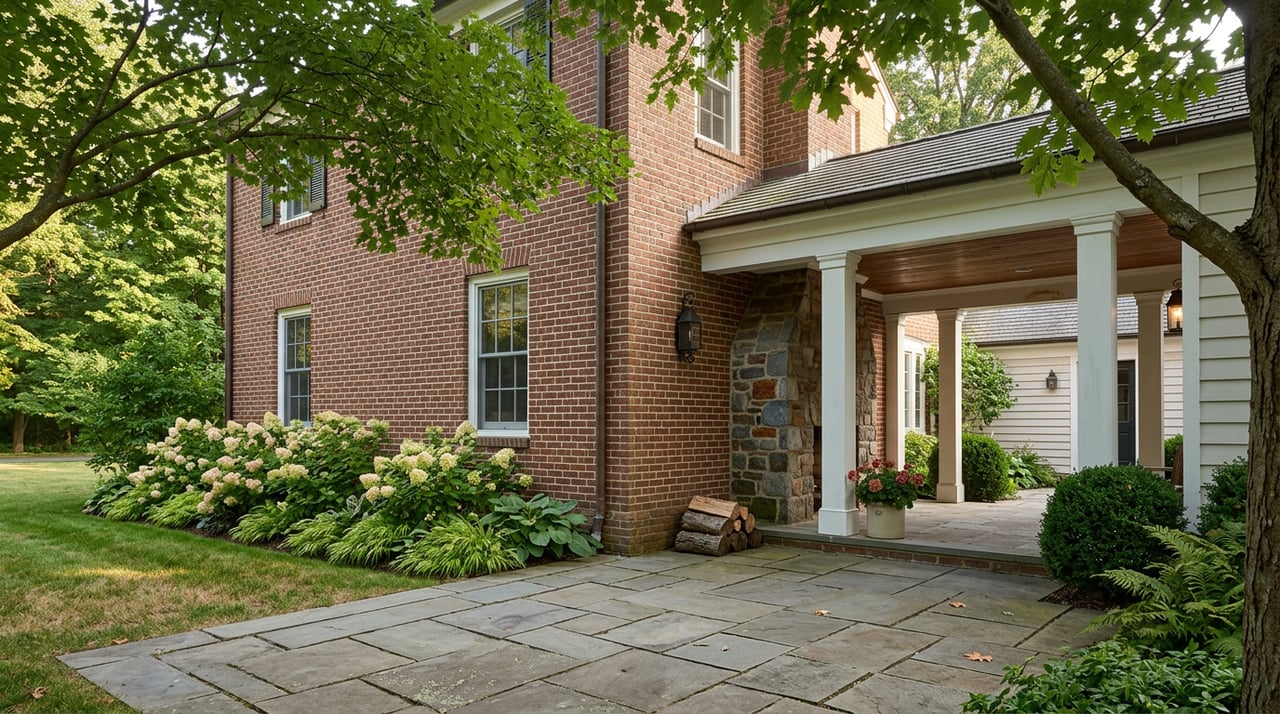
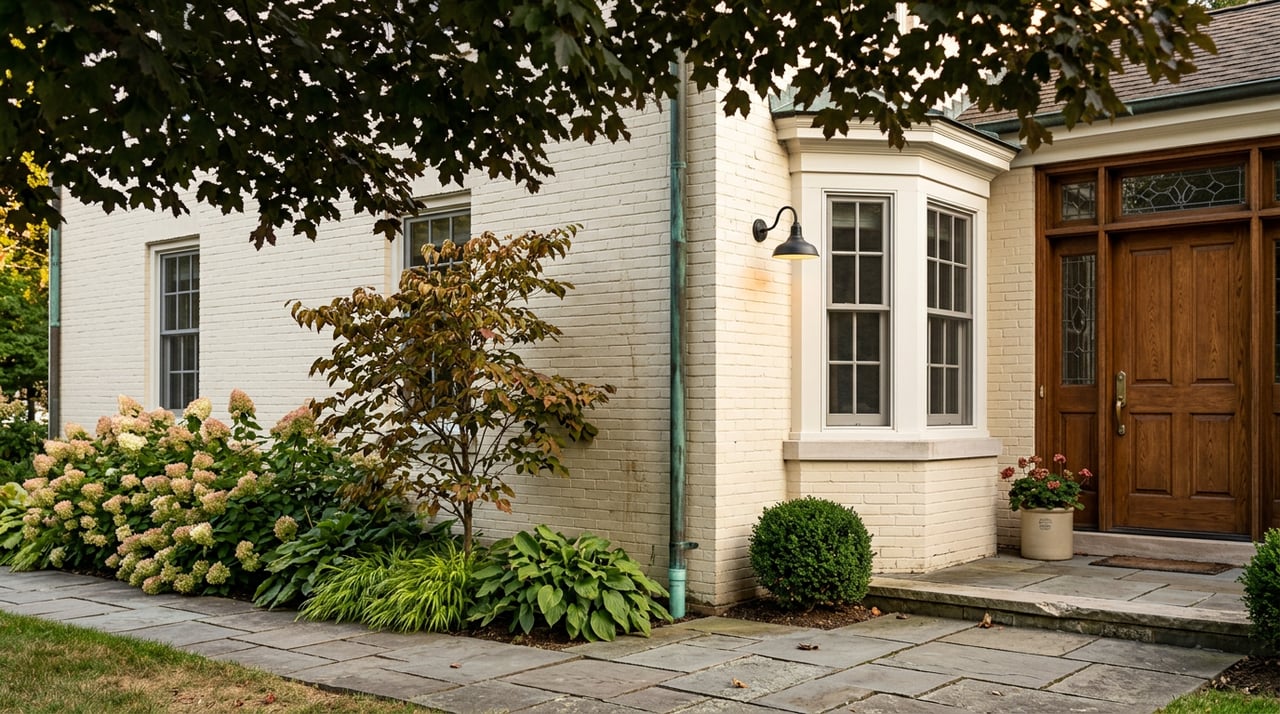
More than half of Highland Square's homes were built before 1940. That's not a footnote, it's the reason the price-per-square-foot number looks the way it does. A 1920s Colonial with original wiring, a coal-chute basement, and a kitchen nobody has touched since the Nixon era is going to price differently per square foot than a fully gutted version of the same house with a new roof, new HVAC, and a kitchen island.
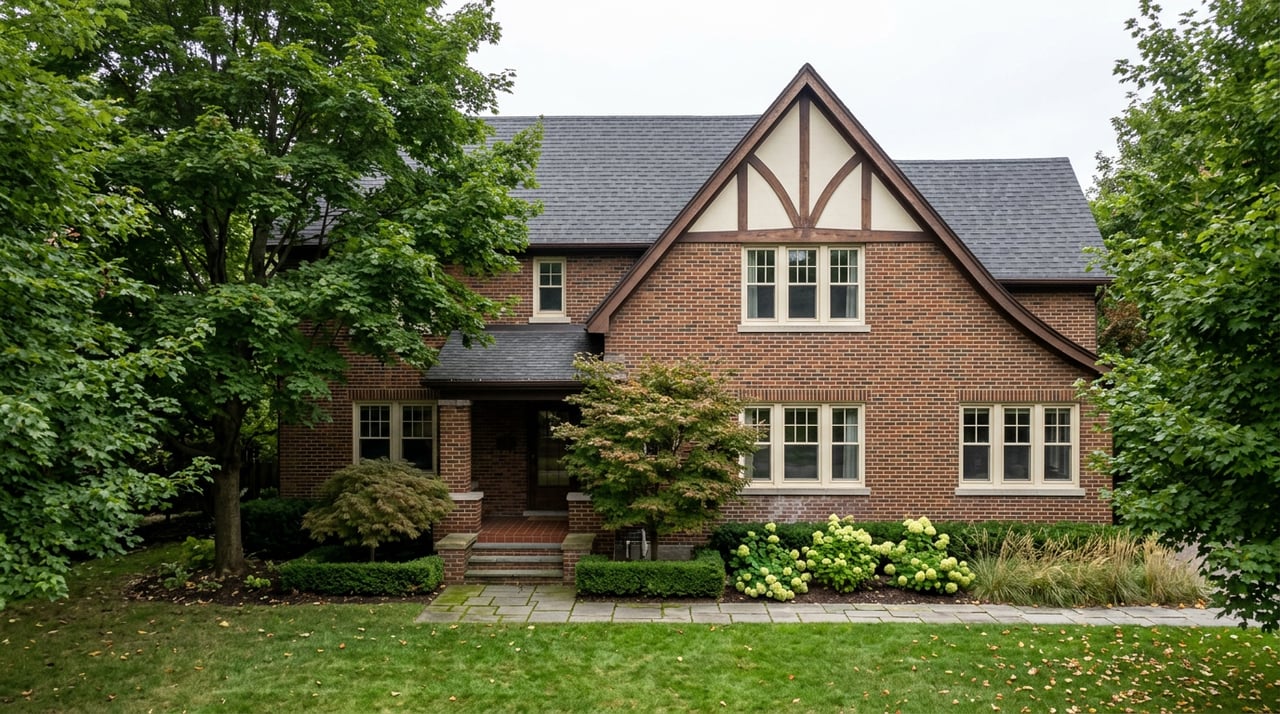
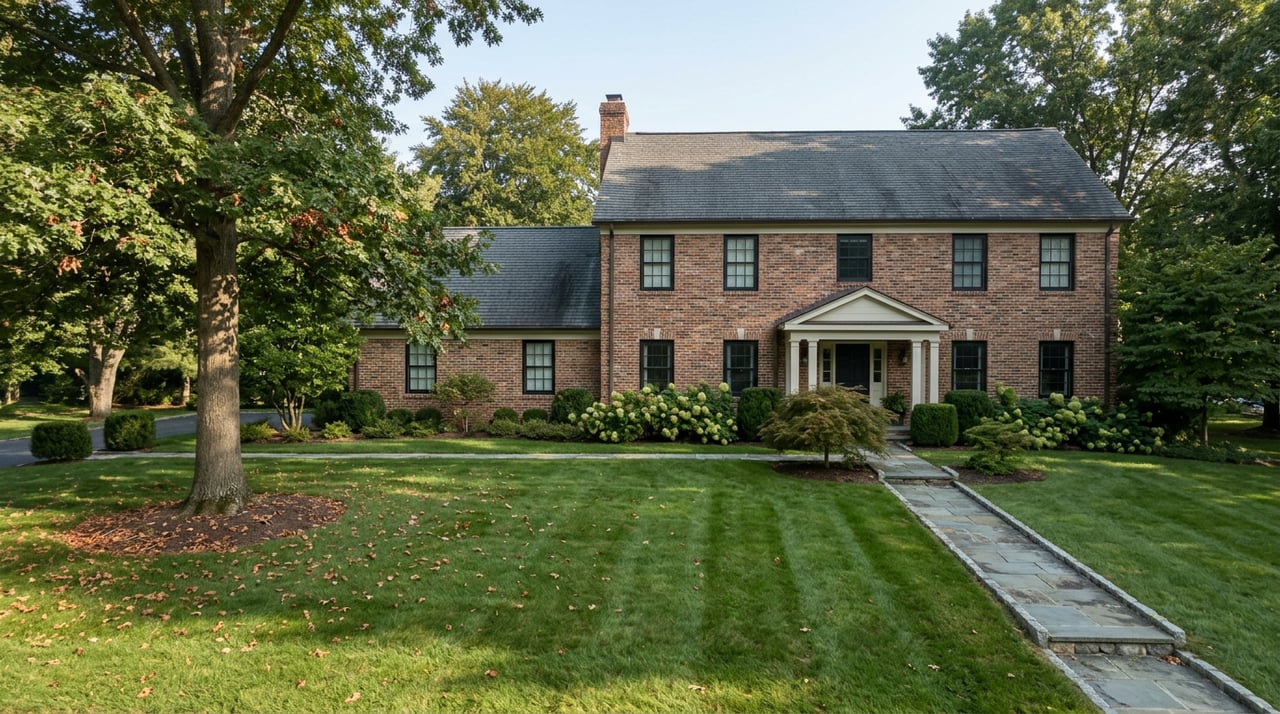
Both versions exist in Highland Square right now, often on the same block. Current listings in the neighborhood span from roughly $54,900 to $520,000. That's not a typo and it's not a typo's worth of difference in condition. At the low end, you're looking at properties sold as investor stock, sometimes literally bundled: one active listing this year offered a Highland Square duplex alongside four other Akron addresses, sold individually or as a package, aimed squarely at buyers who see century homes as renovation projects rather than move-in-ready purchases. At the high end, you're looking at completely renovated Colonials and Tudors with board-and-batten siding, black-framed windows, and finishes that could hold their own in Fairlawn Heights.
That spread is exactly why the price-per-square-foot average comes in low. A handful of $400,000-plus renovated homes selling on smaller historic lots doesn't move the per-square-foot median much when it's sitting next to a larger pool of unrenovated homes trading well under $200,000. The neighborhood isn't cheap. It's bifurcated.
The clearest evidence of that split shows up in the gap between Highland Square's average and median sale prices. As of June 2026, the average sale price in the neighborhood reached $225,000, up 33.5% from a year earlier. Over the same three-month window, the median sale price was $180,000, down 2.8% from the year before. An average climbing by a third while the median slips is not what a healthy, uniform market looks like. It's what a market looks like when a small number of high-dollar renovated sales get averaged in with a larger base of lower-priced, unrenovated transactions.
For a seller, this matters immediately. If your Highland Square home is a fully updated Colonial, comparing your asking price to the neighborhood's median sale price will undersell you, because that median is dragged down by properties that aren't comparable to yours. If your home needs work, comparing yourself to the average will set an unrealistic number, because that average includes homes that already absorbed the renovation cost you haven't spent yet. The fix isn't complicated, but it does require pulling comparables by condition and vintage rather than by neighborhood boundary alone.
None of this means walkability is worthless in Highland Square. It means the value shows up in daily life rather than in the price-per-square-foot column, which is a different kind of return, and one that matters more to some buyers than others.
Residents can walk to Mary Coyle Ice Cream for something sweet, Angel Falls Coffee for something warm, and Mustard Seed Market & Cafe for groceries, all without touching a car. The Highland Theatre, running since 1936 and rebuilt through a multi-million-dollar renovation, still anchors the strip with a mix of film and live shows. Cascade Locks Park connects directly into the Akron Canal Towpath Trail, an 87-mile corridor that runs the length of the valley. And every August, the Highland Square Neighborhood Association puts on PorchRokr, a free festival where more than 150 bands play from residents' actual front porches along the walkable core.
That's the trade a buyer is making when they choose Highland Square over a newer-build suburb with a bigger lot and a two-car garage. You're not necessarily paying more per square foot for it. You're paying in square footage and renovation timeline instead, in exchange for a walk radius that a lot of Northeast Ohio doesn't offer at any price.
This is where the neighborhood comparison gets useful instead of just interesting. A buyer cross-shopping Highland Square against Copley or Fairlawn is often comparing three different products that happen to sit in the same rough price band on a portal search. Copley's growth story right now is tied to new apartment construction near Copley Circle even as its half-acre-lot single-family stock holds its own, a dynamic we've written about in more detail. Fairlawn's appeal leans on newer construction and proximity to retail corridors. Highland Square's appeal is walkability layered onto a century-old housing stock that hasn't been uniformly updated.
None of those are better or worse on their face. They're different mechanisms for arriving at a similar sticker price, and the mechanism is what determines whether you'll be happy with the purchase five years in. A buyer who wants turnkey and doesn't want to think about knob-and-tube wiring should treat Highland Square's median price as a floor, not a ceiling, and expect to pay closer to the average for a home that's actually move-in ready. A buyer comfortable with a renovation timeline can use that same gap to their advantage, buying below the average and building equity through the work rather than paying for someone else's already-finished kitchen.
If Highland Square is so walkable, why isn't it priced like it? Because the walkability sits on top of a housing stock where age and renovation status vary widely from block to block. The neighborhood's price per square foot reflects the mix of unrenovated century homes and fully updated ones, not the walk score itself.
Is a lower price per square foot in Highland Square a red flag? Not inherently. It usually reflects age and condition rather than location quality. The relevant question for any specific house is where it falls on that renovation spectrum, not what the neighborhood average says.
Does the investor activity in the neighborhood affect what a typical buyer should expect? It affects inventory. A share of Highland Square listings are aimed at buyers planning to renovate and resell or rent, which is part of why the price range runs so wide. A buyer looking for something already finished should expect to compete for a smaller slice of that inventory, closer to the neighborhood's average sale price than its median.
If you're weighing Highland Square against another Summit County neighborhood, or trying to figure out what your own Highland Square home is actually worth given its specific vintage and condition, Amanda Carter Homes can walk through the real comparables with you. Start with a free home valuation and get a number that accounts for what your house actually is, not just what the neighborhood average says it should be.
Stay up to date on the latest real estate trends.
We believe success happens together. Our team combines collaboration, leadership, and local expertise to create an environment where agents can thrive personally and professionally.
AMANDA CARTER HOMES TEAM
THE AGENCY CLEVELAND
[email protected]
(330) 990-8405
138 North Main St Hudson, OH 44236